


EXECUTIVE SUMMARY
 Sacramento Municipal Utility District (SMUD) is rapidly building an impressive reputation as a utility that is aggressively pursuing energy efficiency and renewable energy. In fact, largely due to the early retirement of the Rancho Seco nuclear power plant, SMUD is facing severe capacity constraints and has developed plans to secure 800 MW from its demand-side management programs and 400 MW from renewable sources.
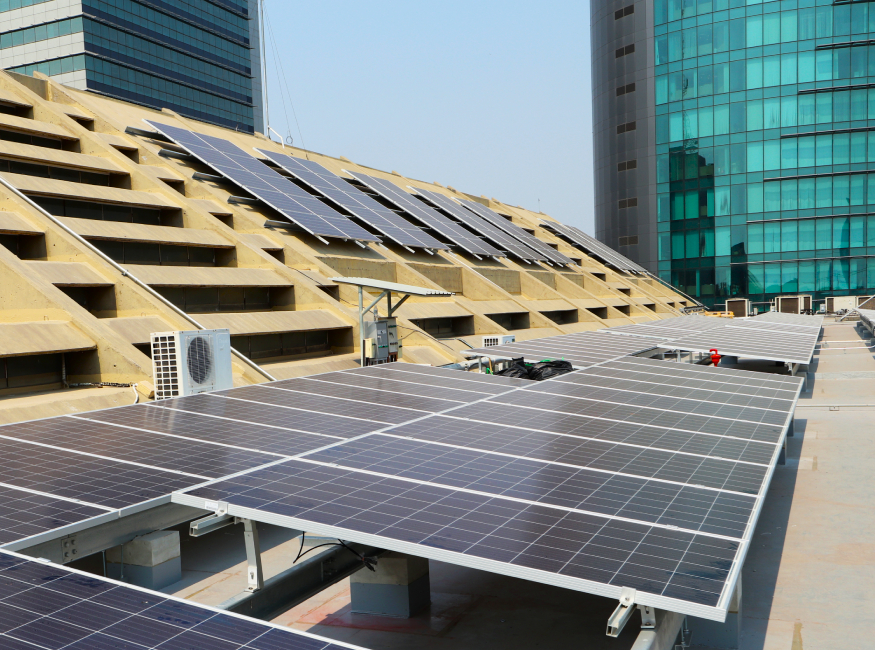
Given these ambitious resource goals, it should be no surprise that the utility has devoted considerable attention to solar programs. On the supply-side, SMUD operates the largest photovoltaic generating plant in North America, a 2 MW plant located in the shadow of "the Ranch." Recently the utility has begun to install residential-scale PV units on the roofs its customers. These participants are volunteering to be part of SMUD’s innovative attempt to build a decentralized power plant. Finally, 150 MW of solar thermal generation is on the drawing board.
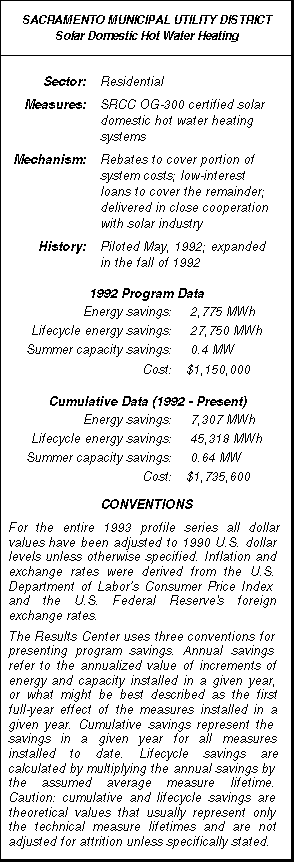
To conserve its use of traditional energy resources, SMUD implemented the most aggressive solar domestic hot water heating system program in the country in 1992 and plans to install 20,000 systems by the year 2000, resulting in annual energy savings of 48,300 MWh and a summer peak demand reduction of 7.4 MW. This magnitude of market penetration represents fully half of the residential electric water heating market in Sacramento and nearly a quarter of the total electric water heating market for all sectors, a radical increase when compared to the fewer than ten systems installed each year in Sacramento prior to the launch of SMUD’s program!
Fully 875 solar systems were installed in the program’s first year, providing 400 kW of summer peak capacity and total annual energy savings of 2,775 MWh. By October of 1993, an additional 600 systems were in operation, resulting in a further demand reduction of 240 kW and additional energy savings of 1,757 MWh.
The program cost SMUD $1,150,000 during 1992. This translates into a utility cost of $1,314 per water heater and preliminary assessments show that the utility’s average system costs for 1993 have dropped to $976 per system. An incentive cap instituted by SMUD in late 1993 will likely improve the cost-effectiveness of the program, and long-term costs will decrease as the market for SDHW systems becomes more established, thereby reducing unit production and installation costs.
[CLICK HERE TO DOWNLOAD THE ENTIRE 20 PAGE PROFILE IN PDF FILE FORMAT]
This profile was produced by